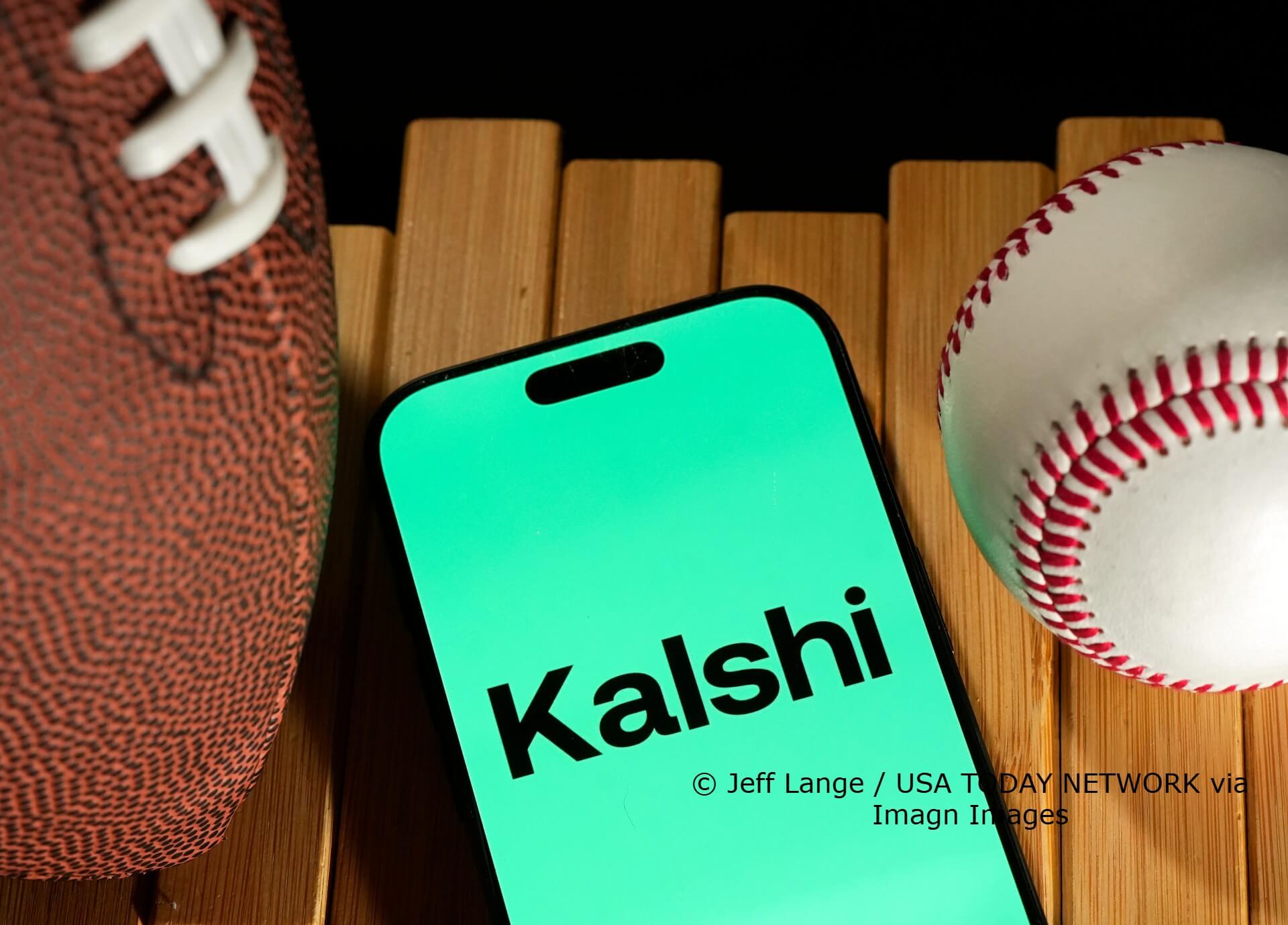

Michigan sports betting regulators scored a major win this week after a state judge ordered prediction market platform Kalshi to stop offering sports-related contracts to residents. The temporary restraining order, backed by a steep financial penalty, marks one of the toughest state actions yet against the fast-growing prediction market industry. It also sharpens a national fight over whether these platforms are financial products or disguised sportsbooks.

How the Case Got Here
Michigan Attorney General Dana Nessel sued Kalshi in March, arguing that the company's sports-event contracts constitute unlicensed sports betting under the state's Lawful Sports Betting Act. Kalshi pushed back by seeking to transfer the case to federal court, arguing that its products fall under exclusive federal oversight as regulated derivatives rather than as gambling.
That strategy failed. On June 25, a federal judge sided with Michigan and sent the case back to state court, ruling that the dispute centered on state law and did not automatically raise a federal question. Four days later, Ingham County Circuit Judge Rosemarie Aquilina granted the state's request for a temporary restraining order, effective through July 13.
The order bars Kalshi and anyone acting on its behalf from offering, advertising, or facilitating internet sports betting to anyone located in Michigan. The company must deploy state-approved geolocation technology to block Michigan users or face a $120,000 fine for each day it fails to comply. This could affect how Michigan sports betting apps operate within the state.
Judge Aquilina's written ruling leaned heavily on concerns about underage users. She noted that Kalshi allows people as young as 18 to place wagers, well below Michigan's legal sports betting age of 21, and warned that continued access could cause "profound" harm to the state's youth. She also found that Kalshi's unlicensed status gives it an unfair edge over regulated operators who must follow strict consumer protection rules, and that it deprives Michigan tribes and state programs of gaming tax revenue that supports schools, first responders, and Michigan casinos across the state.
Kalshi has said it will comply with the order while continuing to fight the underlying lawsuit. A company spokesperson called the ruling misguided and argued the platform is subject to exclusive federal jurisdiction, not state gambling law.
The Michigan case is part of a much larger battle playing out across the country. Michigan is only the second state, after Nevada, to successfully block Kalshi's sports contracts, while a similar order in Massachusetts remains on hold pending appeal. Federal courts remain divided on the issue. The Third Circuit ruled in Kalshi's favor in a dispute with New Jersey earlier this year, while judges in the Sixth Circuit have expressed skepticism toward the company's arguments in a separate case involving Tennessee.
With the temporary order set to expire in mid-July, both sides are expected to return to court soon. The outcome could shape how prediction markets operate not just in Michigan but nationwide, as regulators and platforms wait to see whether the issue is eventually settled by the U.S. Supreme Court.