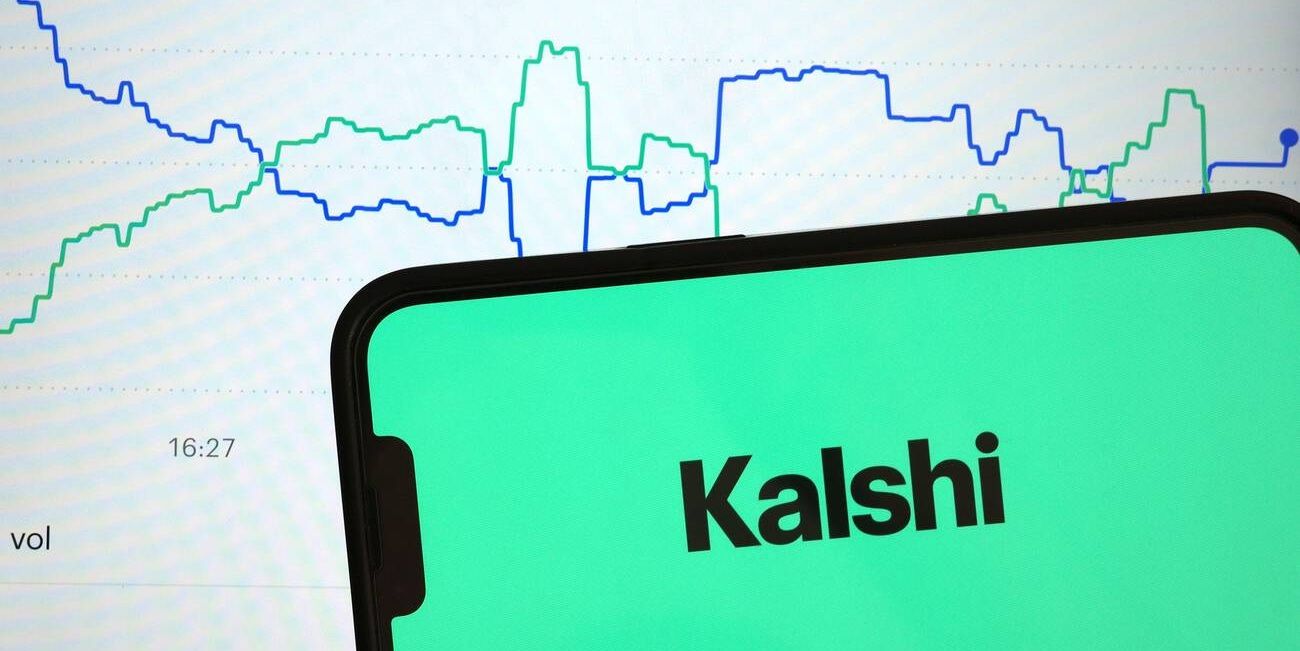

Two weeks after a Michigan judge ordered Kalshi to halt sports event contracts in the state, the fight over Michigan sports betting has escalated to a new level. The federal Commodity Futures Trading Commission has now directed Kalshi to keep its Michigan sports trades intact, setting up a direct conflict between a state court and a federal regulator over who actually has authority here.
A Quick Recap
Michigan Attorney General Dana Nessel sued Kalshi in March, arguing the company's sports event contracts amount to unlicensed sports betting under the state's Lawful Sports Betting Act. After Kalshi's attempt to move the case to federal court failed, Ingham County Circuit Judge Rosemarie Aquilina granted a temporary restraining order on June 29. That order barred Kalshi from offering sports contracts to Michigan residents, required geolocation blocking, and even called for certain completed trades to be voided, canceled, and refunded. Non-compliance carried a $120,000 fine per day. The order was set to run through July 13, when the court would decide whether to extend it through a preliminary injunction.
What Changed This Week
Instead of resolving the dispute purely through Michigan's court system, Kalshi took a different route. On July 2, the company filed an emergency request with the CFTC, asking for federal guidance on how to comply with the state order without violating its obligations as a registered federal exchange. The CFTC responded by instructing Kalshi to keep its Michigan sports trades intact, directly contradicting the part of Aquilina's order requiring those trades to be voided and refunded.
That puts Kalshi in the middle of two competing directives. A Michigan judge says certain trades must be undone. A federal regulator says they should stand. A Kalshi spokesperson told Reuters the company is reviewing the CFTC's order and considering next steps, but has not said outright whether it will follow the state court or the federal agency.

This dispute is no longer just about Michigan. Michigan and Nevada are the only two states to have successfully blocked Kalshi's sports contracts so far, while a similar order in Massachusetts remains stalled pending appeal. Federal courts have not been consistent either. The Third Circuit sided with Kalshi in a dispute with New Jersey earlier this year, while judges in the Sixth Circuit have shown skepticism toward the company's arguments in a case involving Tennessee.
With a federal agency now openly countermanding a state court order, the Michigan case has become a real test of whether states can enforce their gambling laws against prediction markets at all. Legal observers expect Michigan's attorney general to respond, and further court action is likely in the coming weeks. For now, the practical question for anyone using Michigan sports betting apps, whether Kalshi's sports markets remain accessible in the state, still does not have a clean answer.